
Behind every successful flight lies a complex system of planning, compliance, scheduling and oversight. When flight operations run smoothly, they go unnoticed. When they do not, the financial and regulatory consequences can be serious.
As your aviation business grows, a critical decision arises: should you build an in-house flight operations team, or consider outsourcing flight operations to a specialist provider?
At first glance, in-house flight operations can feel like the safer option. Everything sits under your direct control. Yet aviation operations management is demanding, highly regulated and expensive to maintain. Salaries, training, software systems, regulatory updates and staff cover all add up quickly. Even then, gaps in expertise or capacity can expose your operation to risk.
Outsourcing flight operations offers a different approach. Instead of building an internal department, you gain access to experienced aviation professionals, structured systems and dedicated aviation compliance support from day one. It allows you to scale efficiently, reduce fixed costs and focus on growth rather than administration.
The real question is not simply control versus convenience. It is which model gives your aviation business stability, protection and room to grow.
What Are In-House Flight Operations?
In-house flight operations mean managing all aviation operations internally, using your own employed team and systems. The responsibility for planning, compliance, safety oversight and daily coordination sits entirely within your organisation.
A typical in-house flight operations structure includes an Operations Manager overseeing regulatory compliance and overall performance. Alongside them, you may have dispatch personnel handling flight planning and weather monitoring, scheduling staff coordinating aircraft and crew availability, and compliance specialists managing documentation, audits and authority liaison. In smaller operators, one person may cover several of these roles. In larger organisations, each function is usually separated.
Businesses often choose this route when they operate a larger fleet, have stable long-term demand, or prefer full internal control over private aviation operations management. It can also appeal to companies that already have experienced personnel in place and the financial capacity to support a permanent aviation operations team.
However, maintaining this structure requires ongoing investment, strong leadership and constant attention to regulatory change.
What Does Outsourcing Flight Operations Involve?
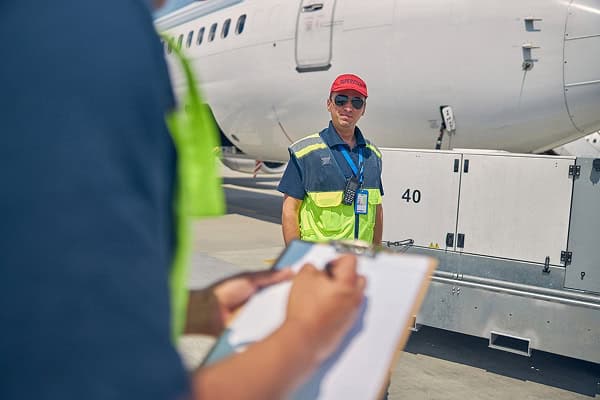 Outsourcing flight operations means partnering with a specialist provider to manage the planning, coordination and regulatory responsibilities that keep your aircraft moving safely and efficiently. Rather than building a full internal department, you gain structured aviation operations support delivered by an experienced external team.
This typically includes flight planning and dispatch, overflight and landing permits, aircraft scheduling, crew coordination and ongoing aviation compliance support. Instead of relying on one or two internal staff members to cover multiple roles, you access a wider pool of expertise with established systems already in place.
For operators launching a new AOC, expanding routes or managing growth, outsourcing removes the pressure of recruitment, training and regulatory interpretation. It provides immediate operational capability without the fixed costs of a permanent team.
In practice, outsourced flight operations are not simply administrative support. They are a strategic partnership designed to reduce risk, improve efficiency and allow you to focus on revenue, clients and fleet development, while experienced specialists manage the operational detail behind the scenes.
The Real Cost of In-House Flight Operations
Building an in-house flight operations team involves far more than salaries. An Operations Manager, dispatch support and compliance personnel represent significant fixed costs, particularly for smaller or growing operators. Add pension contributions, training, recruitment fees and ongoing professional development, and the expense rises quickly.
There are also system costs to consider. Flight planning software, regulatory subscriptions, document management tools and audit preparation all require investment. These are not one-off purchases. They demand updates, oversight and continuous monitoring.
Then there is resilience. Who covers sickness, annual leave or sudden staff turnover? In smaller teams, gaps can place pressure on compliance and safety. In aviation, even minor oversights can lead to regulatory findings, delays or reputational damage.
The true cost of in-house flight operations is not just financial. It is the operational risk and management burden that sits with you every day.
The Benefits of Outsourcing Flight Operations
Outsourcing flight operations turns a heavy fixed cost into a flexible, scalable solution. Instead of recruiting, training and managing a full in-house team, you gain immediate access to experienced aviation professionals who already understand regulatory frameworks, operational pressure and industry best practice.
It strengthens compliance oversight and reduces the likelihood of costly errors. Regulatory updates are monitored for you. Documentation is maintained correctly. Processes are structured and consistent. This lowers risk and protects your reputation, particularly in highly regulated environments.
Outsourcing also improves resilience. There are no gaps due to sickness, leave or staff turnover. Support remains consistent, even during peak periods or rapid growth.
Financially, it allows you to control costs while maintaining high standards. Operationally, it gives you clarity and stability.
Most importantly, it frees leadership to focus on revenue generation, client relationships and strategic expansion, rather than managing the day-to-day complexity of aviation operations management.
Who Benefits Most from Outsourced Aviation Operations?
Outsourced aviation operations are particularly valuable for start-up charter operators who need immediate structure without the cost of a full internal team. It provides operational credibility from day one.
Growing private aviation companies also benefit, especially when flight activity increases faster than internal capacity. Outsourcing allows them to scale safely without rushing recruitment.
Aircraft owners transitioning into commercial operations often require specialist compliance support and regulatory guidance. A dedicated partner reduces risk during this shift.
Operators looking to reduce fixed costs, improve oversight or recover from internal compliance strain also gain stability through a structured external solution.
When In-House Flight Operations Make Sense
In-house flight operations suit larger aviation businesses with multiple aircraft and steady flight schedules. These operators have the resources to maintain a full internal team, including an Operations Manager, dispatch staff, scheduling personnel, and compliance specialists.
Direct control can be appealing. Operators can implement bespoke procedures, monitor staff closely, and respond quickly to internal priorities. Companies with experienced personnel or complex operations may prefer this model.
However, for most smaller or growing operators, the costs and workload are high. Outsourcing offers a flexible alternative, providing experienced aviation professionals, structured systems, and regulatory support without long-term overheads.
Some larger operators combine in-house leadership with outsourced support for the best of both worlds.
Why Strategic Flight Operations Outsourcing Is the Future of Business Aviation
 The aviation industry is evolving, and operators need flexibility more than ever. Outsourcing flight operations allows businesses to scale quickly, respond to changing demand, and access expertise that would be costly to maintain in-house.
Specialist providers bring established systems, regulatory knowledge, and operational experience. This ensures compliance, reduces risk, and improves efficiency. It also frees leadership to focus on revenue, client relationships, and fleet growth rather than day-to-day operations.
For operators of all sizes, outsourcing is no longer just a cost-saving measure. It is a strategic choice that delivers stability, agility, and professional oversight, essential in today’s competitive aviation market.
Is Outsourcing Flight Operations Right for You?
If your aviation business is growing, facing regulatory pressure, or struggling with in-house capacity, outsourcing flight operations could be the solution. It reduces operational risk, strengthens compliance, and provides access to experienced professionals without the cost of a full internal team.
Consider whether your current operations are stretched, if staff turnover or leave disrupts workflows, or if regulatory updates are difficult to manage. Outsourcing offers a scalable, flexible solution that adapts to your needs, allowing you to focus on growth, client relationships, and revenue.
For many operators, from start-ups to expanding private aviation companies, partnering with a specialist provider like Flightworx delivers peace of mind, operational stability, and room to grow without compromise. Contact us today to discuss your needs.
Frequently Asked Questions
What is the difference between in-house and outsourced flight operations?
In-house operations are managed entirely by your own employees, covering scheduling, dispatch, compliance, and planning. Outsourced operations are handled by a specialist provider, giving you access to expertise, systems, and regulatory support without the cost of a full internal team.
How much does outsourcing flight operations cost?
Costs vary depending on fleet size, flight frequency, and required services. Outsourcing is generally more predictable and scalable than in-house teams, as you pay for the support you need rather than fixed salaries, software, and training.
Who benefits most from outsourcing?
Start-up charter operators, growing private aviation companies, aircraft owners expanding into commercial operations, and operators looking to reduce fixed costs or strengthen compliance all gain the most from outsourcing.
Will I lose control if I outsource flight operations?
No. Outsourcing is a partnership. You retain oversight and decision-making authority while leveraging specialist expertise to manage day-to-day operations efficiently and safely.
Can outsourcing help with regulatory compliance?
Absolutely. Specialist providers ensure your documentation, manuals, and procedures meet international standards, reducing risk and keeping you audit-ready at all times.
How quickly can I implement outsourced flight operations?
Implementation can be fast, often within weeks. Providers like Flightworx bring established systems and experienced staff, allowing your operations to run smoothly from day one.
